Perspectives from here and abroad
It’s all about Change
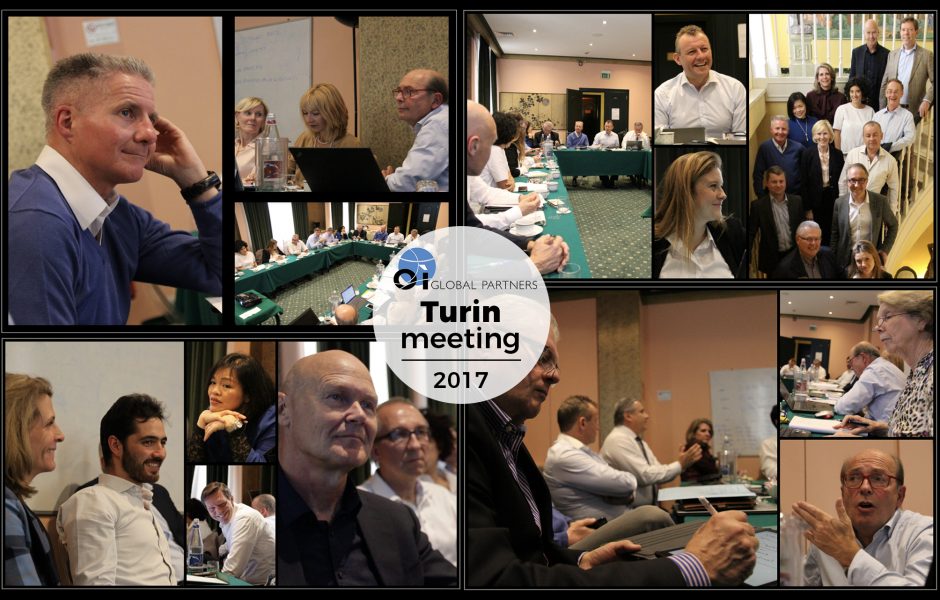
In October, I attended our OI Global Partners meeting in Turin, Italy where over 20 European, Australian and US Partners came to share best practice and themes from their respective countries. Harmonics is the exclusive Irish partner firm of OIGP, a global network of independently owned consultancy firms specialising in Organisation and People Change.
There were a number of themes that dominated our discussions that has implications for us all – whether as employers or employees:
Digital Disruption – Each partner firm reported digitisation was disrupting organisations business and workforce planning. Automation, robotics and AI are now rapidly changing the nature of work as we used to know it. D Amazon, Airbnb, Netflix are all examples of Digital platforms offering global market reach and capturing exponential market share at record speed. We are seeing the 4th Industrial revolution take hold as digital start-up ventures are infiltrating traditional business models. What will this mean for people at work? In a recent PWC Survey of over 10,000 global members, 60% think “few people will have stable, long term employment in the future”. This means we will all have to adapt to much change.
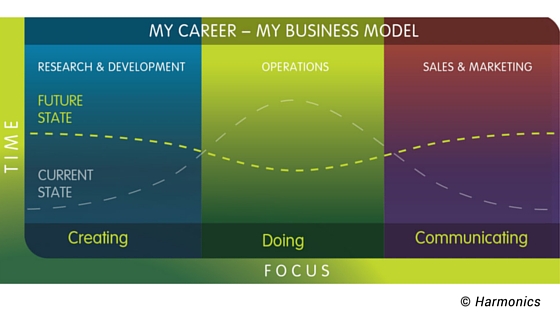
Adapting to Change – Our own recent OI Global Future of Work study indicated ‘adapting to change’ as the number 1 challenge facing HR Directors. There was consistency across partner firms that requests to design and develop change programmes was on the rise to enable Leaders and Managers to adapt to change. There is also an interesting development in organisations offering “should I stay or should I go?” career planning programmes. These interventions are to help those who need to decide if they want to stay and upskill to meet changing business needs or leave on a voluntary redundancy programme to pursue new external career options. This career alignment support is now forming a critical part of organisations change programmes.
Growing divide between haves and have nots – Each country shared low unemployment levels but also a growing inequality between the highly paid, highly skilled and the lowly paid, lowly skilled. The hollowing out of the middle class, middle age worker is taking hold and there are worrying signs that this will lead to even greater future inequality. Specialism in much sought after skillsets is highly valued by employers. Technology is moving so fast that the highly valued specialist skillsets are changing rapidly, so there is a perpetual need to unlearn, relearn and learn new skills. We are being approached by many of those in their 40’s and 50’s who are now being impacted by this change and are seeking career coaching to plot a new way forward. This is something that we will see more and more of as the huge disruption takes hold for those with previously well paid and skilled jobs. Organisations need to become more proactive in putting career planning and upskilling in place to support this change or fear losing previously talented people who are not prepared for this change.
International mobility – We are seeing a growing rise in coaching to support international career moves. This is predominantly for millennials who have been promoted to a global role and need to hit the ground running in a new international location. They are coming to terms with a promotion and embracing a new culture in one sweep. This can be overwhelming and career transition coaching is being seen as an imperative to succeed in a new country and in a new role
Future of Work Global Research Study – There has been excellent feedback from our clients to our 2nd Global Future of Work research study. We are seeking to further deepen the research for the year ahead. This added value to our clients is helping them to understand the challenges and skills required to be successful in the highly competitive and changing world of work.
Market saturation of coaches – The number of people becoming qualified in coaching is growing year on year. While this is great for more and more people to have new coaching skills in the workplace, it is leading to oversupply in the coaching market. Many partner firms reported requests from newly qualified coaches to become join their books and become associate coaches. I have seen this first hand and receive multiple requests weekly from newly trained coaches to join the Harmonics team. From our perspective we need to offer our clients qualified coaches with at least 5 years coaching experience, commercial business experience and specialist knowledge in a core area that matches our client’s needs. Many enter the coaching profession because they are passionate about helping others but what each coach needs to learn most is how to commercialise and niche their offering to become attractive to clients and partner firms like OI. It was recognised by clients that our strength in OI is being recognised as the home to quality coaches globally.
Overall a great meeting and an opportunity for us to take time out with our partners to see how we will pivot our own businesses to stay ahead of the change curve. This quote below was never more relevant.
“The secret of change is to focus all of your energy not into fighting the old but on creating the new” – Socrates