
Categories
Happiness

The Neuroscience of Change

We’ve got big changes on the horizon. With lockdown lightening over the coming days and weeks, many of us may be starting to think about getting the future of work and returning to the office. After a year of working from home, this might be a bit of a shock to the system. Although some of us may be chomping at the bit to get back into our pre-pandemic routines, many of us have built a new schedule that will need rethinking as we re-enter the world outside our front door.Here’s the thing about change, we all react differently to it. But often our reaction isn’t completely rational. It’s likely that if you think carefully about returning to working in the office, you know that you were able to do it before, and you quite like being around your colleagues, even though they may occasionally microwave smelly fish. And let’s face it, you’re getting a bit bored of your calls being interrupted by the dog.So why is it that so many people are feeling anxious about this change? To uncover the reason, let’s dive into the neuroscience behind change.

THE CASE OF THE AMYGDALA 

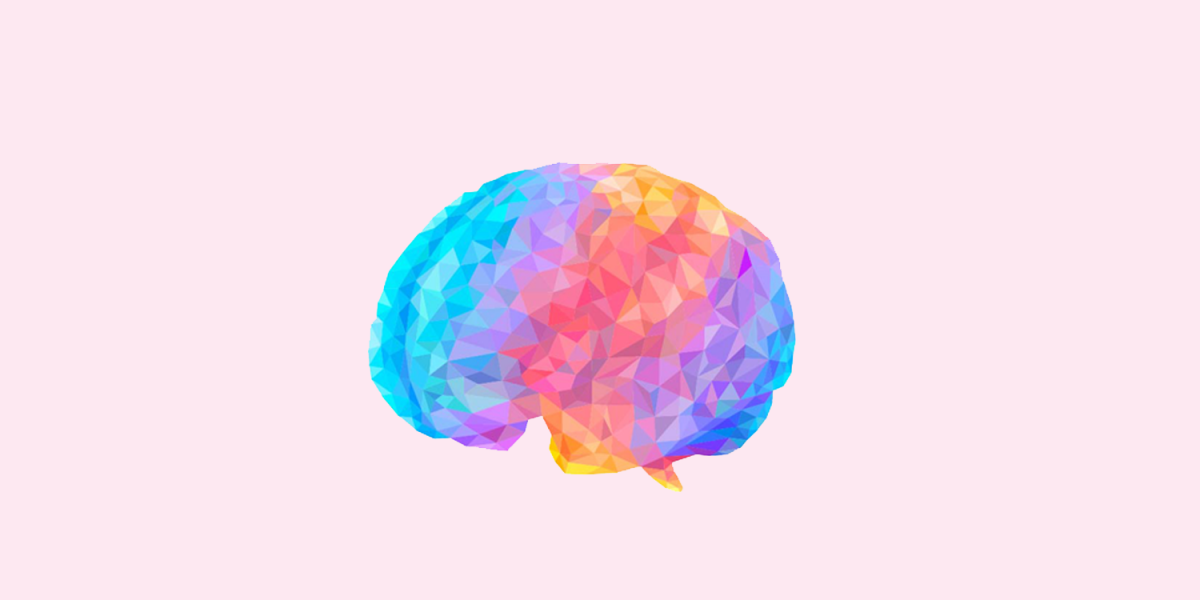
Don’t worry, we’re not going to make you do brain surgery or anything that’s going to make your brain hurt, too much. But it might be useful to just have a quick refresh on the main structures of the brain. For our purposes here, we’re only going to look at two main kinds of structures, parts of the brain that react quickly and instinctively, and those that react more slowly and rationally.

The amygdala is an example of a part of the brain that reacts very quickly. This is because it’s the part of the brain that reacts to danger. This could be anything from not being able to see where you’re going because there’s a large and hungry-looking lion in front of you, or not being able to see where you’re going because a very big change is looming. Unfortunately, your amygdala works very quickly and doesn’t make any distinction between the two situations. This isn’t entirely unreasonable – for the last year or so, going into the office has been relatively unsafe.

Fight or flight when returning to work

This means that when you find yourself in a dangerous situation, your amygdala kicks in and helps you get out of there. This is commonly known as the “fight or flight” response. Of course, this is great when the danger your amygdala is reacting to is a lion. It’s less great when it’s the perceived danger of moving back to an office. If you’re a team leader, manager, or working in HR, you may have been on the receiving end of people’s fight or flight response when it comes to going back to the office.

The important thing to remember is that when the amygdala is activated people feel less secure and safe, the emotional part of their brain is lacking the security it craves and is sending danger signals. In short, in the face of change, people will feel less happy because their emotional brain is destabilised.

WALK TOWARDS, RUN AWAY

Because of the way our brains are structured, our response to danger is essentially a big ON/OFF switch, which is quick and responsive, but our more rational structures like the limbic system and neocortex take a lot more time and energy to engage. This means that we’re much better at running from danger than toward rewards. Neuroscientists call this the walk towards, run away phenomenon.

What it boils down to is that even if a change might be for the better, our brains are more likely to encourage us to run away from potential danger. This is because our emotional brains don’t learn very well – there’s a reason they’re sometimes referred to as the reptile or chimp part of the brain – they’ve stayed the same for a long time. On the other hand, the parts of our brain that respond to rewards are very slow to activate.

This means that we’re likely to take a while to warm to something as being an overall good thing, whereas we’re likely to make very snap decisions about whether things are dangerous or bad.

USING NEUROSCIENCE TO COPE WITH CHANGE

Once we know that our emotional brain is being scared off before our rational brain can parse the information properly, we can use this information to our advantage. All we need to do is face down the fear until our brain realises that there’s no immediate danger, and then wait for our rational brain to kick in.

Of course, saying this is much easier than actually doing it! This is why a phased approach may be better for you and your team. Starting by meeting up casually outdoors in the first instance, or perhaps meeting a small group of colleagues in the office at a time. The point is to reassure everyone’s emotional brains that there isn’t a lion coming to eat them and that this change is, in fact, positive.

Once you start to associate the commute and office environment with some of the more positive aspects – like socialising with your colleagues or getting your favourite coffee on your way to the office – your amygdala will start to chill out. This will leave your slower reacting parts of the brain time to start to rationally appreciate the positives.

HOW TO MANAGE CHANGE FOR YOUR TEAM

One of our most popular articles, written on the eve of the first UK lockdown, is about how to manage your team through times of change. Here you’ll find some top tips about motivating staff through change – including how to ensure you have a vision that guides your team like a compass, to communicate change clearly, and to identify role models and clear leadership structures which will help everything on an even keel.

The key thing is to make sure you get plenty of feedback. If you know who on your team is struggling with change, you can help them manage their fears, and come up with a plan to tackle any potential problems which may arise. Our Wellbeing Survey is specifically designed to help you keep an eye on the emotional well-being of your team. This will help you come up with a tailored strategy that takes into account the individuals on your team, and the specific challenges they’re facing.

Click the button below to discover more about our wellbeing survey today!

Discover More the happiness index surveys
Categories
Happiness

Prepping Your People for the Future of Work

Lockdown is easing, we’ve entered a new financial year and fingers crossed we’ll even get some sunshine! There’s a lot of change happening in the workplace too, which puts pressure on organisations and all their stakeholders.  As we start to move into what people once again are calling “The new normal”, it might be time to think about the future of work and what this might look like for your business, your people and company culture.

HOW HAS THE PANDEMIC AFFECTED CULTURE?

It’s becoming a cliche to say that the pandemic has affected just about every aspect of our lives… but it has!

For those of you who are familiar with the Kubler Ross’ Change Curve (see our simplified version below) you’ll appreciate that your people will be experiencing different emotions as they progress through this monumental change. You may have people who are still in the ‘Denial’ phase while others have moved into ‘Acceptance’. Understanding where your people sit within the change curve is going to be vital for organisations to motivate their people during this period of uncertainty.

Kubler Ross' Change Curve

This change has been particularly evident in the workplace and has hugely affected employee wellbeing, productivity and company culture. The question is, what areas negatively impact company culture as we begin the phase of returning to work and easing back into office life?

OFFICE ANXIETY

Recent surveys show that 4 in 10 people diagnosed with mental health conditions have serious concerns about returning to the office. However, 30% of those without a formal diagnosis are also feeling anxious about their return to work. This is a significant proportion of the workforce. It could create tensions and stress for your team if incorrectly managed.

TESTING & DISTANCING

Those who need to be at particular locations are getting used to a new way of working as well, with tests and distancing marking their daily routines. These are also elements that are likely to be a reality for those with more office-based jobs as we start to return to a new normal. These measures are likely to increase stress and disruption to the daily lives of employees. This needn’t be a death knell for your company culture! Increasing flexibility when it comes to timing and hours will help to alleviate this, as well as clear communication of processes and expectations so that your whole team is on the same page.

HEALTH & SAFETY AND VACCINATIONS

It’s important to remember that once the pandemic is over, Covid won’t be gone forever. NHS data shows that 1 in 5 people who had the novel coronavirus had symptoms lasting for more than 5 weeks, and 1 in 10 had symptoms lasting for more than 12 weeks. Health concerns and worries about safely travelling to and from work, and indeed within the workplace are likely to cause stress and even tensions within the workplace.

Recent polling suggests that nearly half of managers would support mandatory vaccination to return to the office. A US survey of office workers showed that 70% wanted everyone to be vaccinated before returning to the office. With these topics being divisive and emotionally fraught, tensions between managers and teams could be inevitable. To avoid this, it’s key for leaders and HR teams to create guidance and reassurance that help everyone feel safe and welcome within the workplace.

TWO-WAY COMMUNICATION

More and more employees are demanding a voice. This can be seen in moves to unionise in organisations across the USA, notably Amazon. But even on a smaller scale, we believe that employees are increasingly wanting and demanding two-way communication in the workplace. Our customer data highlights that since the beginning of the pandemic, we’ve witnessed a trend in respondents sharing increased emotional detail into their wellbeing and mental health. We have seen a sustained increase in the length of the feedback too. Put simply, people need to share how they are feeling.

We believe that this emotional honesty and openness will be something that remains a part of workplace culture for at least as long as the uncertainty around the coronavirus remains, and potentially longer. We recommend ensuring that your employees have the time, space and tools to communicate their needs to their managers and leaders.

ALWAYS ON CULTURE

One of the biggest challenges of working from home has been maintaining a work-life balance. Meetings have been longer, chats more frequent, and more emails have been sent than ever before. Pre-pandemic studies showed that working from home had a range of negative impacts such as intensifying work, creating interference between work and home life, and increased working hours. These were also linked to negative health impacts in the long run. As more and more people feel like they need to be replying to emails and work requests at all times of the day and night, stress and burnout are likely to be increasing burdens on your team.

HYBRID WORKING

Polling shows that most people don’t want to return to the office full-time. However, tech giants Google warns hybrid working could hinder its culture, “As we prepare to return our workforce in more locations back to the office in 2021, we may experience increased costs as we prepare our facilities for a safe return to work environments and experiment with hybrid work models, in addition to potential effects on our ability to compete effectively and maintain our corporate culture.”

At The Happiness Index, we understand that hybrid working opens challenges but we also encourage businesses to be creative and progressive. We believe that a flexible schedule, with only a few days a week in the office, is possible with the right communication and transparency between leadership and the wider team. Company culture can be hard to get right, but there aren’t any absolutes. With the right approach, background and listening – there’s no reason hybrid working and company culture shouldn’t be able to coexist.

FLEXIBILITY 

Workplace flexibility is the area of change that is here to stay. With many parents having enjoyed more time with their children and people getting used to seeing their families, increased flexibility will likely be the norm. Spain is trialling a 4-day work week, with questions about whether this will stick post-pandemic. Data shows that this kind of flexibility actually increases productivity, and so we predict that these kinds of changes will be increasingly popular.

PRESENTEEISM 

Presenteeism is already a huge drain on the economy, last year Vitality data suggested the UK lost £92 billion to ineffective working due to presenteeism. Remote work could potentially further impact the effects of presenteeism. The key for organisations in terms of staying on top of this issue is to be aware of when people are struggling, which is harder when people are working remotely or in a hybrid model. In these cases, tools that facilitate listening will be particularly important.

MENTAL HEALTH

Over the last year, we have gone through a sustained period of national trauma. Not only this, but many people have lost loved ones in brutal ways without their normal support networks and behaviours. Data published in The Lancet suggests that one in three survivors of severe Covid are diagnosed with a mental health condition.

Mental Health has been reaching epidemic levels around the world, and the latest data shows that this is only set to worsen. In the UK alone, referrals to mental health services increased by 28% during the pandemic. Before the pandemic, the UK was losing as many as 70 million workdays to mental health costing employers around £24 billion. With the rise in mental health referrals, this is only set to increase. This could have devastating effects on your workplace and culture.

BURNOUT

Even pre-Pandemic, burnout was a serious problem in the workplace. However, recent research by Microsoft shows that 57% of employees are feeling overworked and 47% are “exhausted”. These levels of stress and unmanageable workloads will have an impact on levels of burnout that were already high. This may have serious repercussions on workplaces and organisations as they struggle to keep up. Ensuring you understand workloads, and how your team is feeling about the amount of work they have on, will be key to maintaining a healthy workplace and company culture.

HOW WILL THE PANDEMIC IMPACT YOUR WORKPLACE CULTURE?

Of course, all of these predictions are based on generalised assumptions. They may not all impact your workplace in the same ways or to the same extent. This is because culture is unique to the organisation, and to the individuals who make up your team – it’s essentially the company’s personality! These issues will likely affect some if not all of your team. The best way to ensure your culture reflects the needs and values of your people is simply to talk to them about it.

At The Happiness Index, we see this time as a golden opportunity to reimagine what your workplace and culture is going to look like moving forward. While this will need to be led by creative and out of the box thinking from your leadership team, the best way to approach wide-scale change is in consultation with your wider team.

This is where our future of work survey comes in – by talking to your people and understanding how their values, situations and needs have changed during the pandemic, you will gather key insight around returning to work and how the pandemic has affected them. This will empower you to create action plans and strategies to ease the process for them, boost staff wellbeing and create a thriving culture!

Click below to discover more about the Future of Work Survey:

Discover More the happiness index surveys
Categories
Happiness

Defining Employee Engagement

The Happiness Index (THI) talks a lot about Employee Engagement… but what does it actually mean? Well, as ever with things that relate to humans, there is no absolute and single definition. We know that happiness means different things to different people, and the same is definitely true of employee engagement.

THI has an Employee Engagement framework that is underpinned by neuroscience and our experience building happy, engaged cultures all around the world. But our understanding of Employee Engagement can differ quite a lot from how other people define or use the term.

HOW THE TERM EMPLOYEE ENGAGEMENT WAS COINED

Bill Kahn is an organisational psychologist, and a professor of Management and Organisation, teaching, writing and consulting out of Boston University in the US. His main area of study is people and their relationships, particularly in a work context. Bill is clearly very good at what he does, but his involvement in the history of Employee Engagement was almost accidental.

Bill wrote his doctoral thesis on Personal Engagement. He developed a theory around what it meant for someone, in a work role, to be as alive, present and fully authentic as possible, a state he called Personally Engaged. He laid out his ideas about what allowed someone to be fully engaged, or the opposite, disengaged.

This work went relatively unnoticed for a while, except by other scholars in the field until one day it blew up, rebranded as Employee Engagement. However, Bill sees Employee Engagement as completely and violently different from Personal Engagement. Violent here is Bill’s word but it’s important.

The way that Personal Engagement was conceptualised and theorised was originally very personal. It’s right there in the name. Bill was looking at whether individuals could be themselves, express themselves, and ultimately perform, in a way that wouldn’t see reprisals. He feels strongly that it was about individuals expanding into their space, being revealed to others, and thereby being connected to things that are happening around them.

WHY IS PERSONAL ENGAGEMENT SO GREAT?

Bill believes that people can’t just lose themselves in a job that they feel really connected and engaged with, but actually find themselves in it. He believes that we can really find out more about who we are as people and what we can achieve in roles, when we’re given the opportunity to, and find an organisation with which we can really connect.

When we look at Personal Engagement, it’s really about the relationships between people – it’s about really great managers and leaders, and the way they interact. It’s about putting people and relationships under the microscope and thinking about the ways that humans can flourish.

THE DIFFERENCES BETWEEN EMPLOYEE ENGAGEMENT & PERSONAL ENGAGEMENT

Employee Engagement on the other hand is far less focused on the individual and how they learn, grow and thrive. It’s focused on what the employee can do for their company. Specifically, how can employees be as engaged as possible in their work so they help the business achieve its goals?

There are some overlaps in terminology and aspects of Employee Engagement and Personal Engagement. For example, both look at how companies can help their employees find meaning and purpose in their work. But the purpose behind doing this is fundamentally different.

Bill thinks of Employee Engagement as almost an oxymoron. That these two ideas are almost diametrically opposed: if you’re looking at engagement, the fact that someone is an employee isn’t important; and conversely, if you’re looking at Employees, then their engagement is just a fancy word or hook to make people believe you have their personal interests at heart.

Ultimately, we’re going to keep using the term Employee Engagement. It’s industry standard, and it’s what people know and expect when it comes to Happiness in the workplace. But we also feel strongly that the way Employee Engagement is defined and the ways the framework is used should be changed. We have a different way of doing it at The Happiness Index…

BALANCING HAPPINESS & ENGAGEMENT

With the right balance of engagement and happiness, your organisation will achieve a thriving culture. In our Cultural Assessment model, we balance happiness and engagement, using neuroscience. Happiness relates to the Instinctive and Emotional parts of our brain. The Instinctive area of the brain deals with factors like Safety and Freedom. The Emotional area of the brain focuses on the factors of Relationships and Acknowledgment. On the other hand Engagement links to the Reflective and Rational parts of the brain. Our Reflective brain looks at factors such as Meaning and Purpose and Personal Growth. The Rational part of our brains deals with Clarity and Enablement.

Neuroscience brain quadrants cultural assessment

When businesses understand how to measure the happiness and engagement of their people, and create action plans to improve both areas – they will reap the rewards of a happy, engaged and highly driven workforce. The healthy balance sheet will follow soon after!

LISTEN TO BILL KAHN

If you’d prefer to hear this from the man himself, then look no further! Click the button below and hear Bill’s thoughts on employee engagement as he chats with our Head of Global Happiness, Matt: